Donkiesbaai

Story

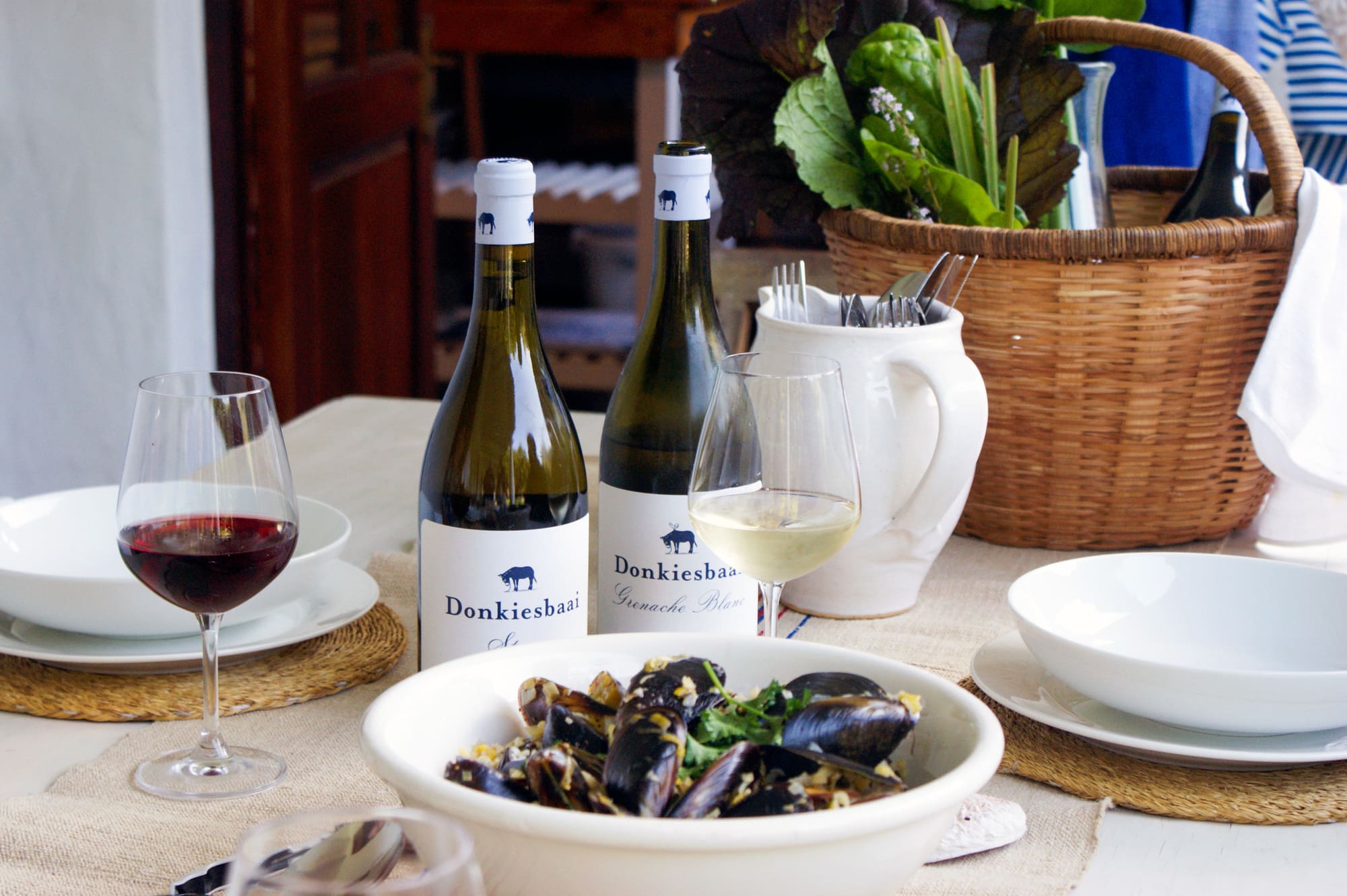
When Jean Engelbrecht opened the fine-dining restaurant at Rust en Vrede in 2007, his perspective on wine quietly shifted. Wine was no longer considered in isolation, but as a partner at the table. While the estate’s celebrated reds spoke powerfully on their own, Jean envisioned a complementary range—wines of equal pedigree, yet shaped for broader gastronomic expression. He began looking beyond the estate for vineyards better suited to varieties that favour finesse and versatility.

The Journey

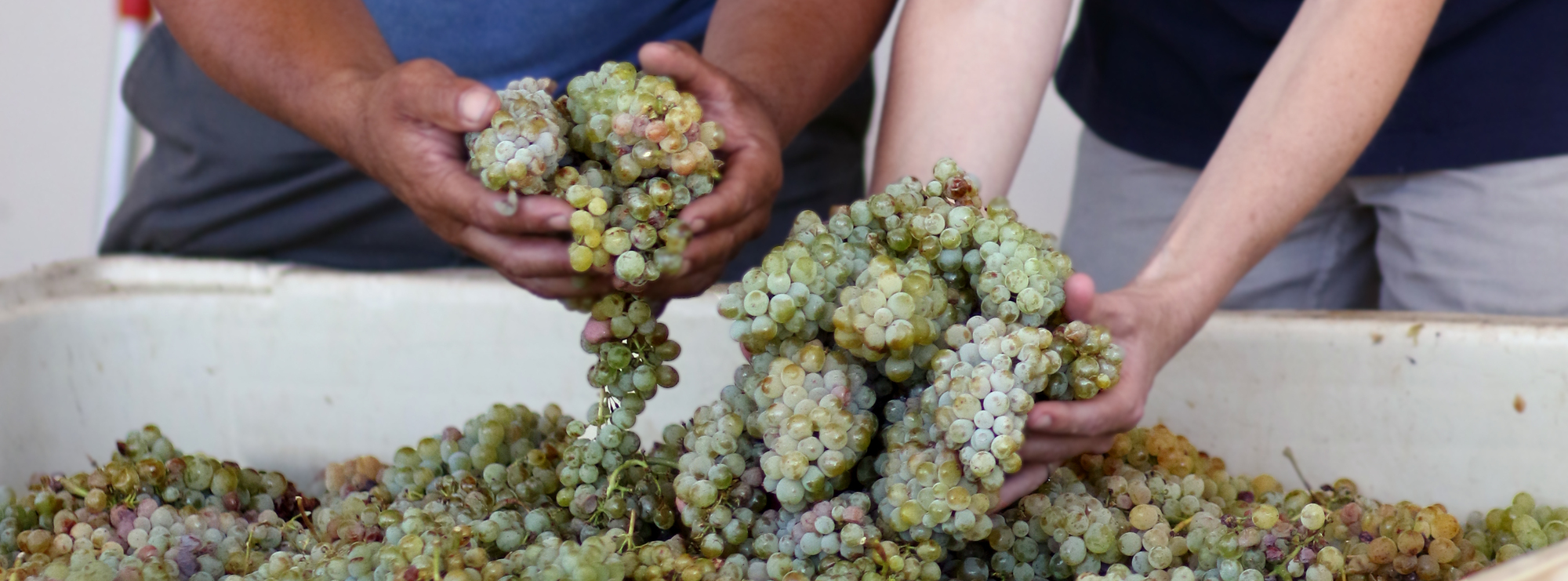
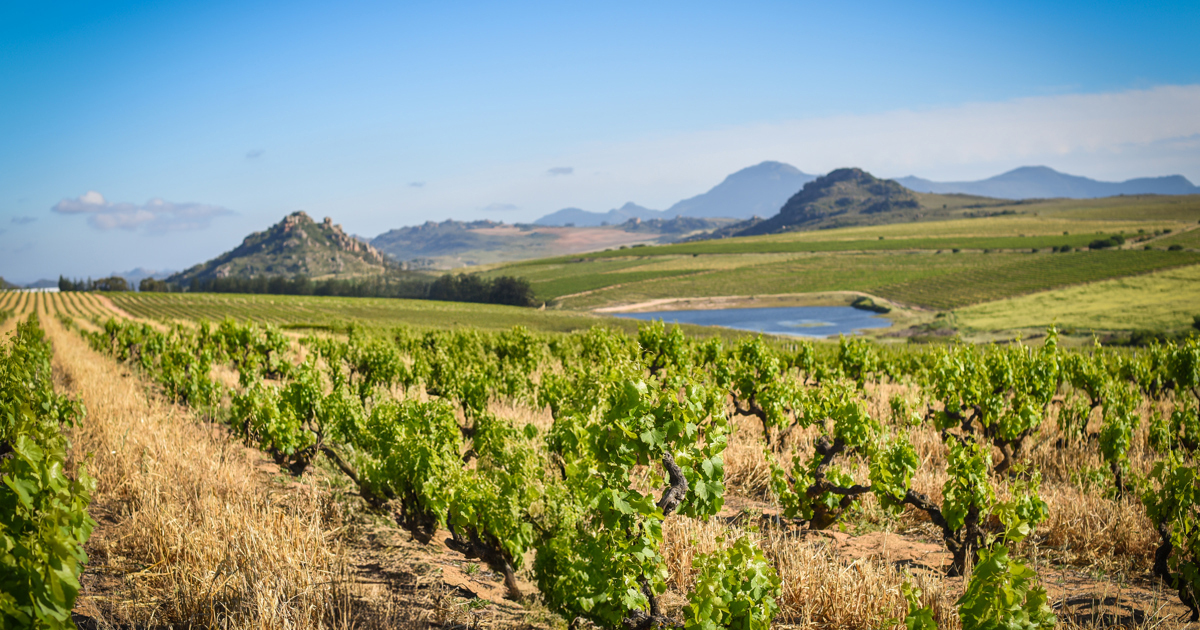
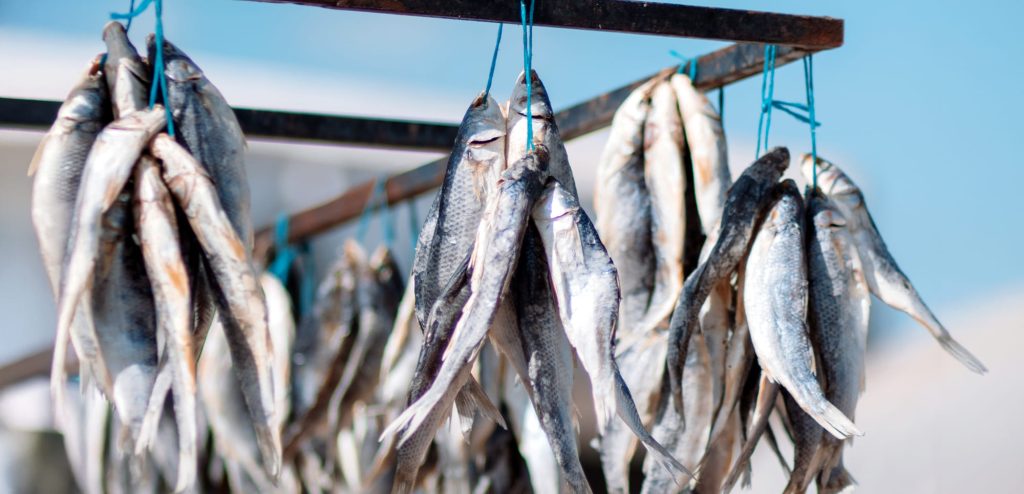
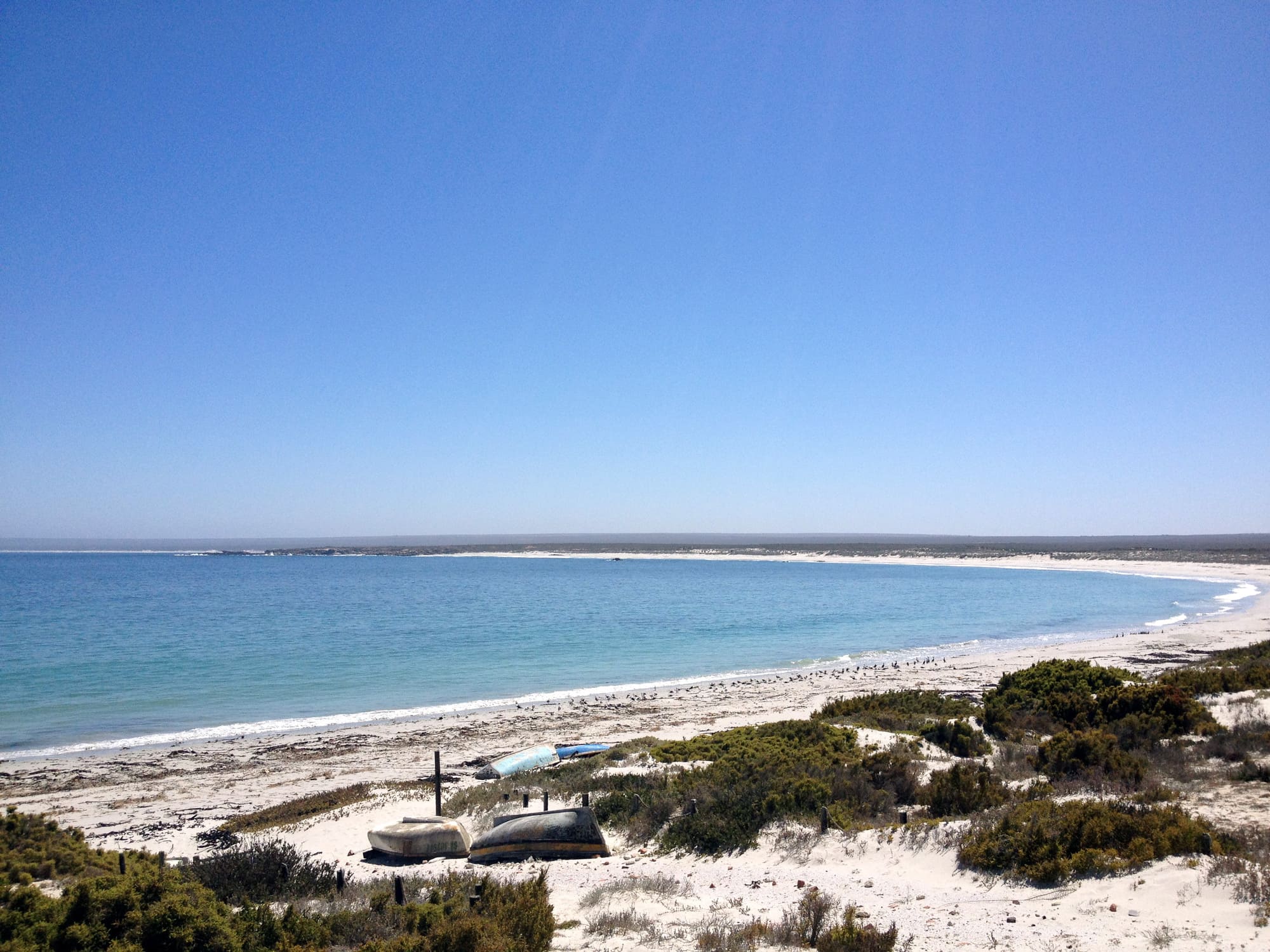
That search led him to the Piekenierskloof, where he first worked with Chenin Blanc in 2011, later adding Grenache Noir, Grenache Blanc and Cinsault. From these hot, dry vineyards come textured whites and light, finely balanced reds, crafted with food in mind. The range takes its name from Donkiesbaai, the Engelbrecht family’s west coast retreat—80 kilometres from the vineyards, yet closely connected through the cooling west coast winds that temper the Piekenierskloof. A family story, expressed through a different landscape.

Old Vines

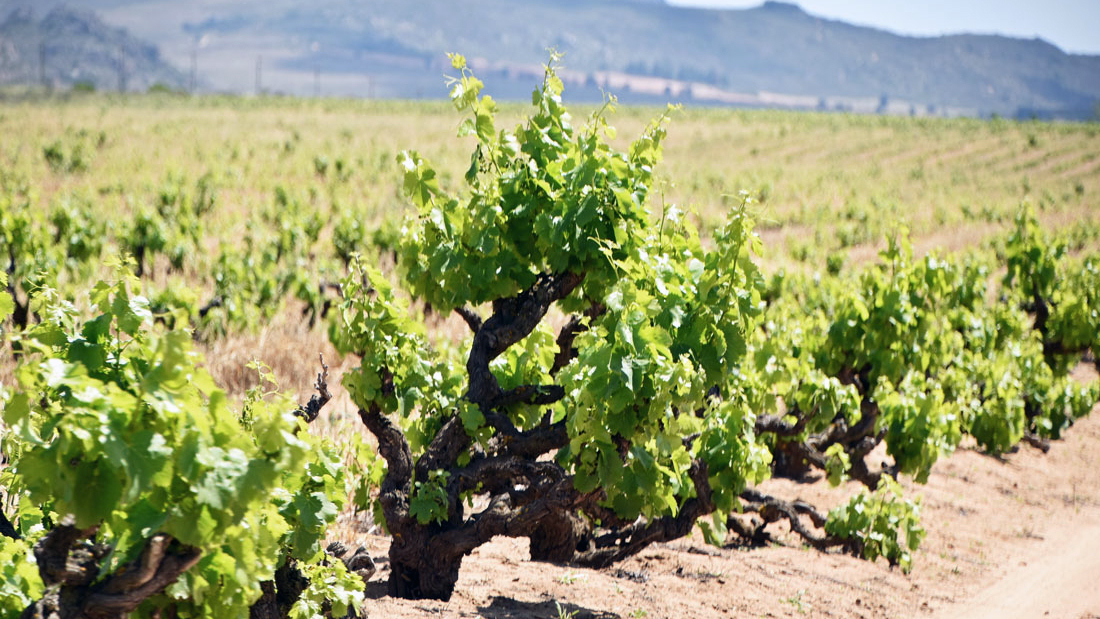
Old vines run deep in the Donkiesbaai story. Two of our wines carry Old Vine certification: our Steen, from dry-land bush vines planted in 1986 and 1988, and our Cinsault, grown on venerable vines dating back to 1967. Certified by the Old Vine Project, these vineyards are more than a nod to age—they are living pieces of South Africa’s winemaking heritage. Beyond their history, old vines give less but offer more: naturally concentrated fruit, layered complexity, and a depth through the mid-palate that only time can shape. We’re quietly proud to have these resilient old bush vines at the heart of the Donkiesbaai range.

Scroll to Top